Vibrant but unpredictable autumn on the way after summer drought, say National Trust experts
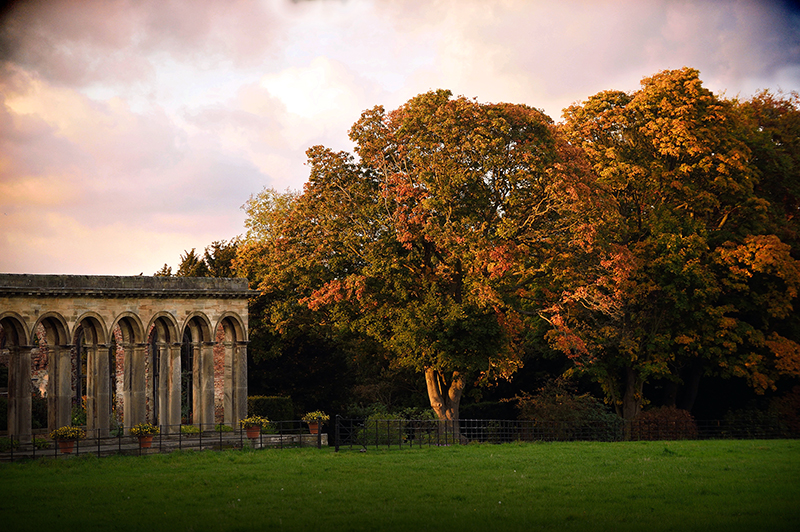
Reds could dominate autumn color this year, as in this archive image of Gibside. © National Trust/John Millar
“Colour, contrast and confusion” could define autumn this year, say National Trust experts, as the effects of an exceptionally hot, dry summer create the prospect of vibrant colours alongside early leaf fall and unusual flowering, with the potential for striking differences across the country.
Despite signs of a so-called ‘false autumn’, with some drought-stressed trees already shedding their leaves, the charity’s tree experts say the ingredients are still there for a colourful season, particularly if the coming weeks bring cooler, settled weather. The high levels of sunshine over summer could also help produce strong colour in healthy foliage that remains.
Another challenge for trees could come later this autumn, with a potentially record-breaking El Niño increasing the chances of wetter and stormier UK weather. If mild conditions prompt trees to hold onto their leaves later than usual, they could be more vulnerable to damage during high winds.
Graham Alderton, Head Gardener at Winkworth Arboretum in Surrey, said: “El Niño most strongly affects countries around the Pacific and in the tropics. But in the UK it’s still likely to increase rainfall and storms that could be with us by November. That’s optimistic news for autumn colour but still a concern considering what the trees have been through already this year.”
Early or late? Significant variation on the cards
Variation can already be seen across National Trust places. At Stourhead in Wiltshire, long celebrated for its autumn displays, established trees have fared relatively well through the drought, helped by their proximity to the lake. The garden has greened up quickly following recent rain, cooler nights and dewy mornings and with plenty of bright sun in the forecast the outlook for autumn colour is promising.
At Bodnant in north Wales, some birches and maples have dropped their leaves early, but Head Gardener Ned Lomax is still anticipating a “spectacular” autumn.
Further north, Cail Stewart, Head Gardener at Gibside near Newcastle, predicts a “rich tapestry of colour”, with reds potentially dominating thanks to high levels of anthocyanin, a pigment that helps leaves filter intense light.
The impact of the extreme summer also means the timing of autumn could differ considerably from place to place. At Cotehele in Cornwall, Head Gardener Dave Bouch believes autumn could be three to four weeks later than usual, while at Mount Stewart in County Down, Senior Gardener Andy Dainty believes the season is running around three to four weeks ahead with morning mist, dew and abundant hawthorn and sloe berries already signalling the change of season.
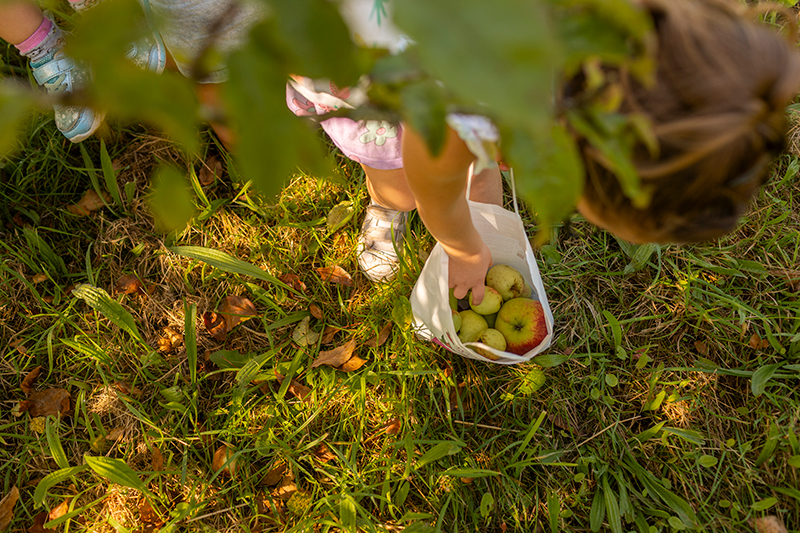
A young visitor gathers apples in the orchards at Cotehele, Cornwall. © National Trust Images/James Beck
At Cotehele, the North American ash, usually one of the first trees to turn and sometimes showing colour as early as August, only began developing hints of its distinctive pink-purple autumn colour in the third week of September.
Dave Bouch said: “Thanks to the high sunshine hours, a lot of sugar should have built up in the remaining leaves, meaning good autumn colour. I think it will be a great autumn in Cornwall, but a late one, with colour peaking from mid-October to mid-November.”
Plants ‘confused’ by the seasons
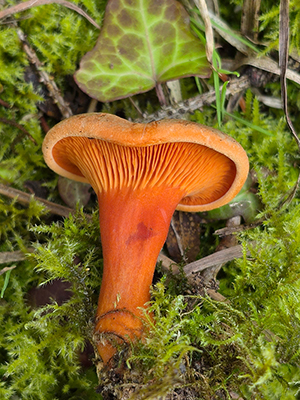
Hygrophoropsis aurantiaca (False chanterelle) at Mount Stewart. © National Trust
It is not just autumn colour that could prove unusual. Gardeners across the Trust’s 260 gardens have reported plants responding in different ways to the year’s extremes, with some effectively pausing during the hottest, driest conditions and responding to wetter weather with fresh growth or even a second flush of flowers.
Bodnant’s Head Gardener Ned Lomax added: “Many plants went into stasis over summer. If mild and wet conditions persist now, they might take advantage of the late opportunity to put on a growth spurt and to flower.”
Some of these unusual combinations are already beginning to appear. At Wimpole in Cambridgeshire, winter and spring flowering viburnums are flowering, although in contrast at Gibside, gardeners say some late summer and early autumn colour may be reduced after plants finished flowering more quickly during the hot, dry weather.
Smaller pickings for conker hunters
One of autumn’s most familiar sights could also be affected by the drought. At Dyrham Park in South Gloucestershire, Garden and Outdoors Manager, Piers Horry has observed drought-stressed horse chestnuts dropping their conkers prematurely, with a less abundant crop and many noticeably smaller than usual.
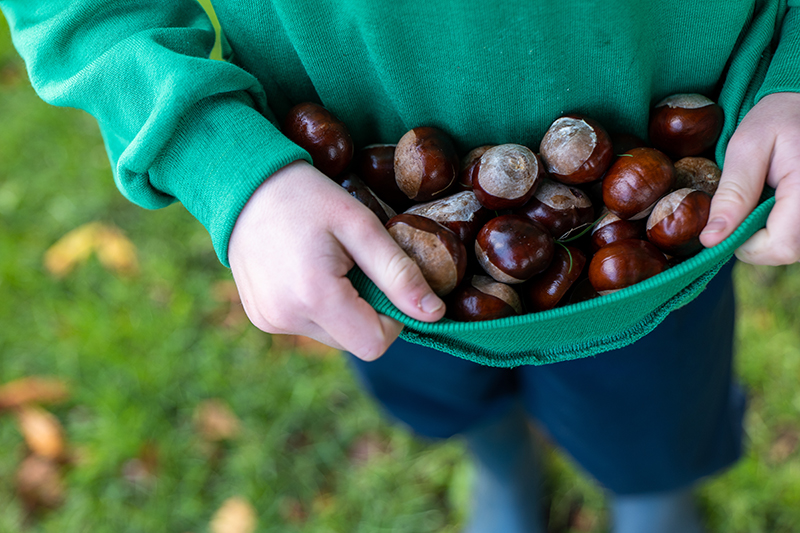
Fewer and smaller conkers have been reported at some Trust places. © National Trust Images/Rob Coleman
He said: “For generations, collecting conkers has been one of those familiar signs that autumn has arrived, but anyone looking for a particularly large, prize specimen this year may have to search a little harder.”
A mixed harvest
The extremes have also produced a mixed picture in kitchen gardens and orchards. At Cotehele, an apple crop that had looked small and bitter during the drought recovered rapidly following rain, allowing its annual Apple Day to go ahead. At Dyrham Park, however, significant summer fruit drop has left some apple trees with virtually nothing to harvest.
Despite the challenging conditions, pumpkins and squashes have performed strongly at several gardens including Wimpole and Sizergh in Cumbria, possibly thanks to tap roots that can access deep water reserves. This bodes well for visitors looking forward to the vibrant pumpkin displays put on by some gardens in autumn.
More Autumnal News!

One of nature’s autumnal spectacles is the deer rut, when male deer (stags or bucks) lock antlers in competition for female deer (hinds or does).
Here’s the selection of the best National Trust places to experience the drama and noise of rutting season.
Photo: Deer rutting at Calke Abbey, Derbyshire | © National Trust Images/Dennis Richardson


