Key tern colonies show signs of recovery after years of bird flu, flooding and climate pressures
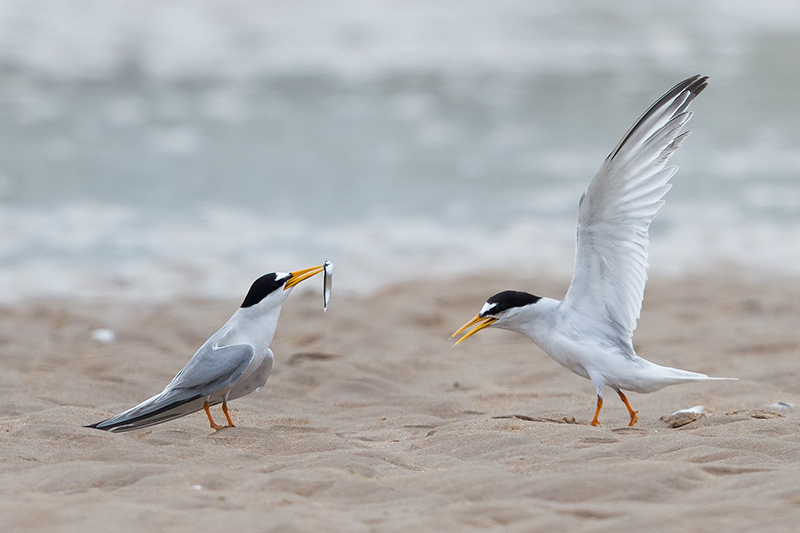
Little Terns at Long Nanny in Northumberland. © Gary Woodburn
Some of England’s most important tern colonies are showing encouraging signs of recovery after years of challenges from avian flu, flooding and increasingly unpredictable weather.
Terns are among the world’s most remarkable migratory birds. Arctic terns undertake one of the longest migrations of any animal, travelling from their breeding grounds in the northern hemisphere to Antarctica and back again each year. Little terns and Sandwich terns also travel thousands of miles between the UK and wintering grounds in West Africa before returning each spring to breed.
New figures from National Trust breeding sites reveal a record-breaking season for little terns at Long Nanny in Northumberland with positive news also for the Arctic terns with numbers holding steady to maintain the sites’ position as the UK’s largest mainland colony. And, further south in Norfolk, more than 1,100 pairs of Sandwich terns returned to Blakeney Point after a two-year absence. The results offer a welcome boost for conservationists after years of intensive efforts to protect vulnerable seabirds from outbreaks of disease, predators, flooding and increasingly severe weather.
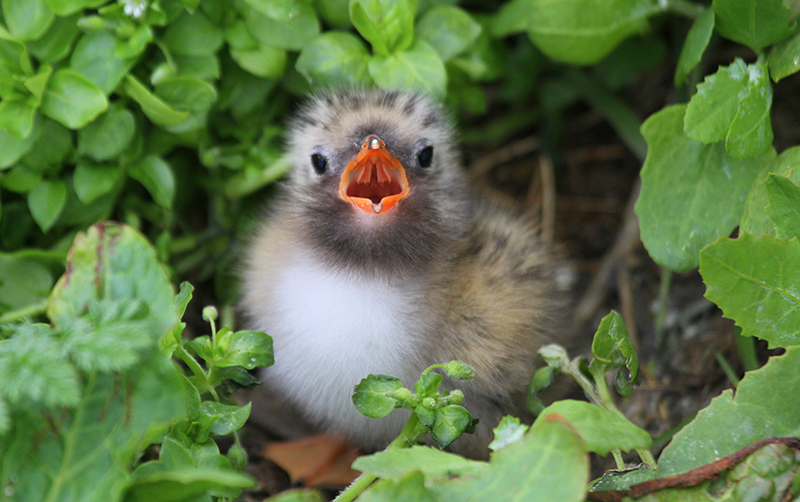
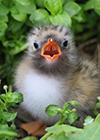
Arctic Tern chick on the Farne Islands, Northumberland. © National Trust Images/Douglas Holden
Across National Trust sites, teams of rangers and volunteers work throughout the breeding season to protect vulnerable colonies from disturbance, predators and extreme weather. At Long Nanny this includes round-the-clock wardening and monitoring, while at Blakeney Point measures such as predator-exclusion fencing, nest protection and seasonal visitor restrictions help create safer breeding conditions. National Trust conservationists believe these long-term efforts have played an important role in this year’s encouraging results.
This year rangers have recorded a remarkable turnaround for little terns at Long Nanny, one of the UK’s most important breeding sites for the species. The species is the UK’s second-rarest breeding seabird and has experienced significant long-term declines nationally, making this year’s record breeding season especially significant. A minimum of 126 pairs nested at the site, smashing the previous record of 57 pairs set in 1994. At least 82 chicks are known to have fledged, with the final total potentially exceeding 100 birds.
The colony also hosted a minimum of 730 active Arctic tern nests containing 1,346 eggs, reinforcing Long Nanny’s position as the UK’s largest mainland Arctic tern colony. The result is particularly significant because Arctic terns were added to the UK’s Red List of Birds of Conservation Concern in 2024 after suffering major population declines following recent years marked by avian flu outbreaks, flooded nesting sites and growing climate-related pressures.
The site also welcomed the return of Nigella, the American black tern that has now returned to Long Nanny for the seventh consecutive year.
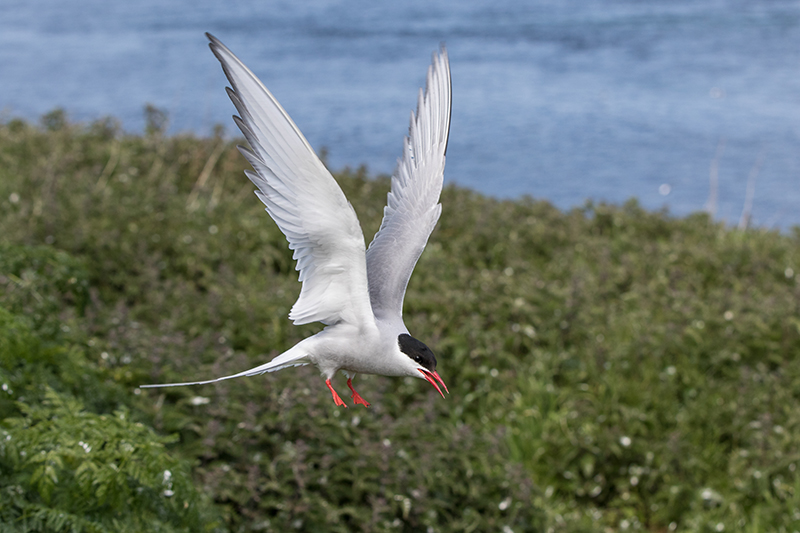
An arctic tern in flight on the Farne Islands, Northumberland. © National Trust Images/Richard Scott
James Porteus, Lead Ranger for the National Trust on the Northumberland Coast, comments
“After several years dominated by bird flu outbreaks, flooded nests and concerns about declining numbers, it’s incredibly encouraging to see the little tern colony responding so positively this year. It’s especially exciting to see so many chicks hatching and fledging.
Further south at Blakeney Point, part of Blakeney National Nature Reserve in Norfolk, 1,164 pairs of Sandwich terns, a species which had failed to nest at the site during either of the previous two breeding seasons were recorded. Rangers also noted increases in Common and Arctic terns, alongside rising numbers of black-headed gulls, a species whose presence can help provide additional protection for nesting tern colonies.
The encouraging results follow several years of conservation measures at the reserve, including predator-exclusion fencing, nest protection, the creation of refuge areas for breeding birds and tighter seasonal restrictions on dogs during the nesting season.
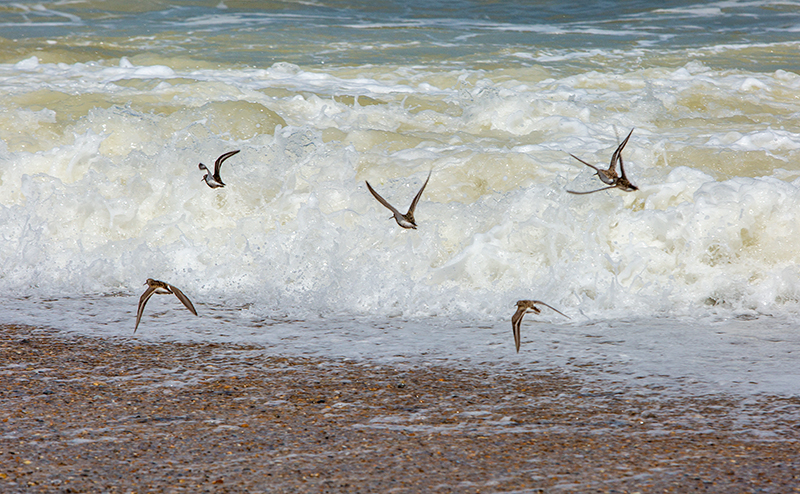
Little tern colony at Blakeney Point, Blakeney National Nature Reserve, Norfolk. © National Trust Images/Ian Ward
Edward Stubbings, National Trust Area Ranger at Blakeney Point, comments “We’re particularly pleased to see Sandwich terns return to Blakeney Point in such large numbers this year. The range of protection measures introduced over recent years appears to be making a real difference, not only for terns but also for other breeding birds including oystercatchers, ringed plovers and redshank.”
However, the picture is not universally positive. Final breeding figures from the Farne Islands highlight the continuing challenges facing some tern populations. Arctic tern numbers fell by 27 percent, from 519 breeding pairs in 2025 to 377 pairs this year, while no Common terns nested on the islands compared with five pairs last year. Sandwich tern numbers remained unchanged at two breeding pairs.
The contrasting results across different sites underline the importance of monitoring seabird colonies at a national scale, as increases at individual colonies can sometimes reflect birds moving between breeding sites rather than overall population growth.
To support National Trust nature recovery projects, visit www.nationaltrust.org.uk/everyone-needs-nature-appeal
Did You Know?
 The National Trust has webcams on the Farne Islands every day from dawn until dusk from May until the end of July, offering a front-row seat to the lives of seabirds that breed on the islands.
Though the season has now ended, you can watch the recording here!
Photo: © National Trust Images/Douglas Holden


